
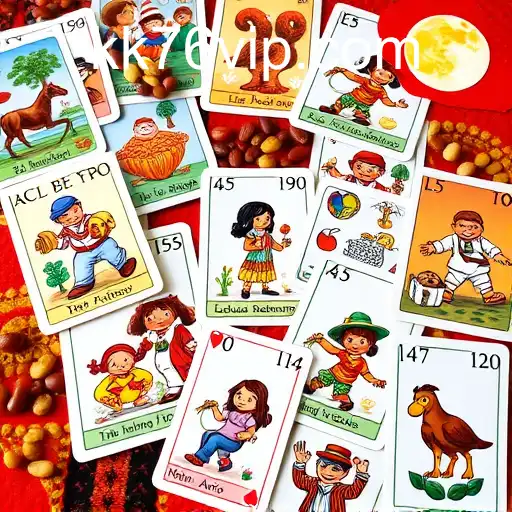

The Cultural Tradition of Loteria
Loteria, a traditional Mexican game of chance similar to bingo, has been a beloved pastime for generations. Known for its colorful depictions of iconic images and characters, Loteria serves as both a form of entertainment and a cultural emblem. The game has transcended its origins, becoming a symbol of cultural identity not just in Mexico but also in communities worldwide where the game is played and celebrated.casinovip
Historical Roots of Loteria
The origins of Loteria can be traced back to Italy in the 15th century, from where it spread to Spain and eventually to Mexico. In its journey through Europe and into the Americas, the game evolved, incorporating local influences and cultural elements. By the time Loteria reached Mexico, it had adapted to the local culture, gaining its distinct Mexican flavor that includes a deck of cards featuring detailed illustrations representing various elements of Mexican life.
The Iconic Loteria Cards
Each deck of Loteria includes 54 unique cards adorned with vibrant images and often accompanied by a corresponding word or phrase. These images range from the mundane, such as El Arbol (The Tree), to the whimsical, like La Luna (The Moon). Beyond their role in the game, these cards are revered as a cultural expression, capturing the imagination with their artistic renditions of everyday life and Mexican folklore.
Playing the Game
While the rules of Loteria are simple, the game is enjoyed across generations for its engaging and social nature. Players use beans or other markers to cover images on their playing board, which matches the cards drawn from a shuffled deck. The first player to complete a predetermined pattern shouts, Loteria!, claiming victory. This aspect of communal play has cemented Loteria’s role in social gatherings and celebrations.888fogo
Loteria in Contemporary Culture
The cultural significance of Loteria extends beyond traditional gameplay. It has permeated various aspects of art, music, and fashion, often serving as an inspiration or theme. Many contemporary artists use Loteria imagery to explore social issues and cultural identity, bridging the gap between past and present.82G.COM
Loteria Collectibles and Art
Loteria cards have become collectors’ items. Artists and designers often reinterpret classic images or create new ones, blending traditional themes with modern influences. This artistic exploration not only keeps the tradition alive but also introduces it to new audiences, preserving its relevance in today’s cultural landscape.
The Digital Transformation of Loteria
With digital transformation sweeping across industries, Loteria has not been left behind. Online platforms, such as kk76.com, have emerged, offering digital versions of the beloved game. These platforms provide new ways to engage with Loteria, ensuring its accessibility in the digital age.
The Rise of Online Platforms
Websites like kk76.com offer players the opportunity to enjoy Loteria from the comfort of their own homes. These platforms often feature virtual cards, automated calling, and the ability to play with people from around the world. This convenience and the social interaction they offer contribute to the growing popularity of digital Loteria.888fogo
Challenges and Opportunities
While the digital adaptation of Loteria presents opportunities for growth and wider reach, it also faces challenges. Maintaining the cultural essence and the community feel of traditional gameplay in an online setting is crucial. Platforms like kk76.com must ensure that while the game evolves, it retains the elements that make it a cherished tradition.
Conclusion
As Loteria continues to adapt and thrive in modern settings, both offline and online, it reinforces its position as a vital part of cultural heritage. The embrace of technology through platforms such as kk76.com opens new avenues for engagement, ensuring that future generations will continue to enjoy this historic game, celebrating its rich past while embracing an innovative future.82G.COM